
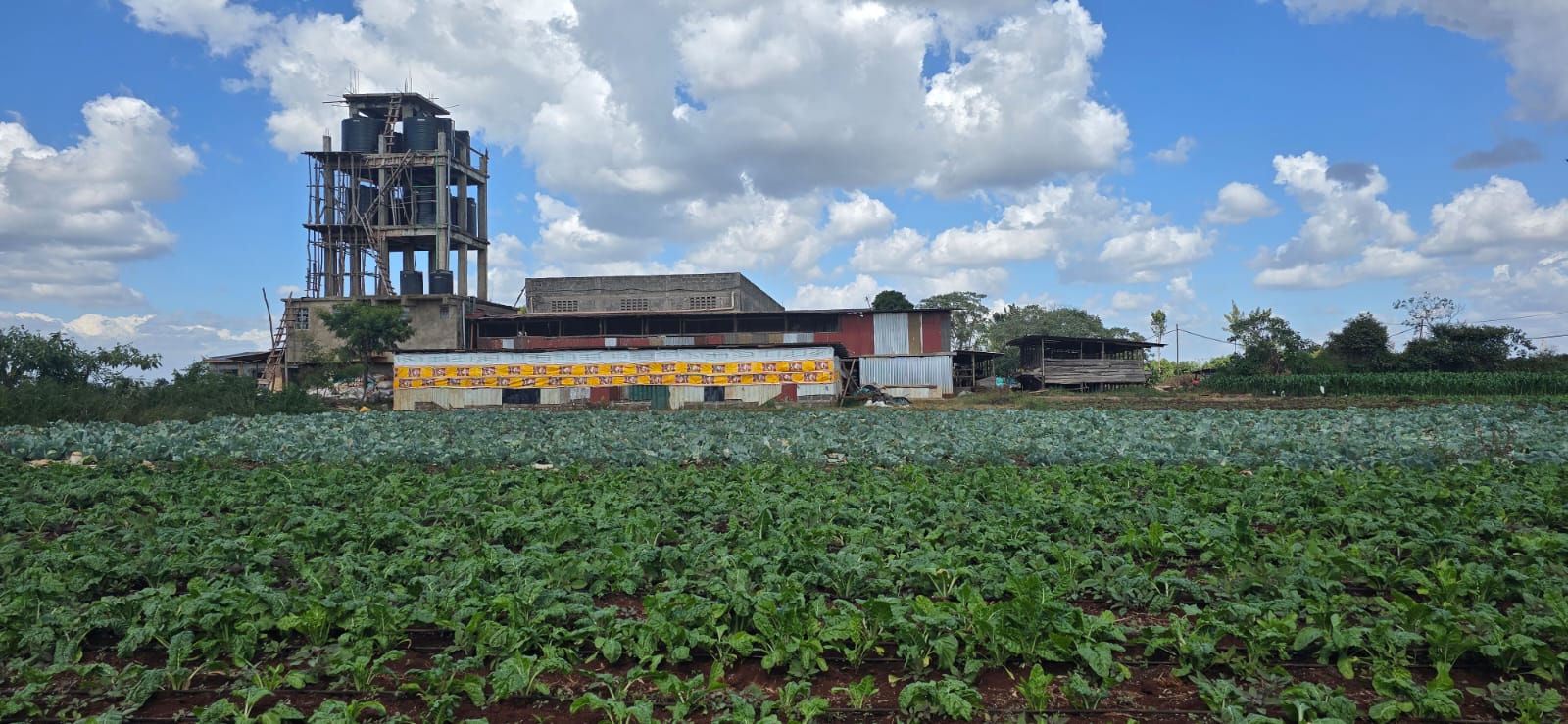

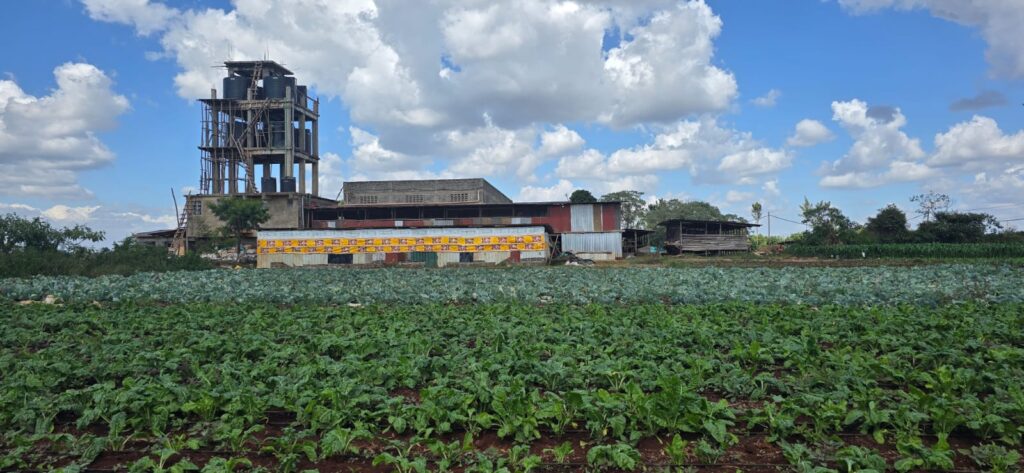
In the rolling highlands of Thika, where morning mist clings to coffee trees and the sun climbs with purposeful precision, there lives a farmer named Mr. Edward Mukundi. His field is not merely a plot of land; it is a living promise that nourishment can be intimate, traceable, and transformative. Edward is the quiet architect of a farm-to-fork model that binds soil, sun, and sustenance into a seamless circle—one that feeds his own restaurants in Nairobi’s upmarket districts while teaching his community the value of fresh, honest produce.
The Vision: From Thika’s Soil to Nairobi’s Tables
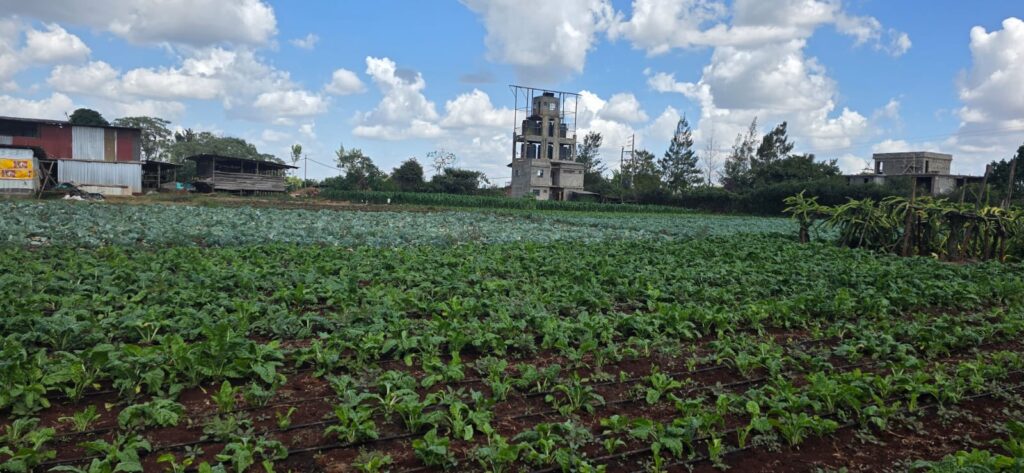
Edward’s farm operates on a simple, principled creed: vegetables grown with respect for the land should taste like the land—vibrant, crisp, and full of life. He cultivates a variety of greens, root vegetables,romatic herbs, and peppers, choosing crops that thrive in Thika’s climate and meet the discerning standards of Nairobi’s top-tier eateries. The goal is not just yield, but consistency, quality, and a story that his chefs can trust.
The Farm: A Living Laboratory
Soil-first philosophy:** Edward believes healthy soil yields healthy food. He employs composting, crop rotation, and mulching to maintain soil structure and micronutrient balance.
Water stewardship:** He uses rainwater harvesting and drip irrigation to conserve water while delivering precise moisture to each bed, minimizing waste.
Integrated pest management:** Beneficial insects, natural repellents, and timely planting schedules reduce chemical inputs, producing cleaner, safer vegetables.
Biodiversity:** A hedgerow of pollinator-friendly plants borders the fields, inviting birds and beneficial insects that help keep the farm ecosystem balanced.
The Farm-to-Fork Model: Short, Transparent, Responsible
Edward’s farm-to-fork model is designed to shorten the journey from field to plate, ensuring freshness and accountability at every step:
Cultivation: Crops are grown with meticulous care, using organic and sustainable practices where possible.
Harvest to Kitchen: When vegetables reach peak freshness, they are promptly transported—minimizing transit time—and delivered to Edward’s own network of restaurants.
Onsite Prep and Menu Integration: In Nairobi’s upmarket neighborhoods, his restaurants feature seasonal menus that highlight the day’s harvest, creating a direct dialogue between farm and table.
Waste and Feedback Loop: Kitchen scraps are composted back on the farm, and chefs provide taste and quality feedback to Edward, enabling continuous improvement.
The Nairobi Connection: Upmarket Restaurants
Edward’s commitment to quality has earned him a special place in Nairobi’s dining scene. The upmarket districts crave produce that is:
Fresh and vibrant:** Crisp lettuce, sweet peppers, and juicy herbs that taste like they were picked moments before.
Clean and traceable:** Customers can learn the story of their vegetables—from soil to harvest to plate.
Consistent:** Reliable supply chains mean menus can feature the same stellar greens across seasons.
To these patrons, Edward is more than a farmer; he is a steward of trust, a guarantor that a plate in a chic restaurant can carry the essence of Thika’s soil, and a witness to a more sustainable urban-food relationship.
The Person Behind the Produce: Edward Mukundi
Edward is patient, observant, and resilient. His days begin before dawn, listening to the land and planning for the week ahead. He mentors young farmers in nearby communities, sharing his knowledge of soil health, water management, and crop planning. He believes farming is a covenant with the land and a service to people—especially those who seek nourishment that aligns with a refined lifestyle while honoring the environment.
He speaks softly about seasons, about choosing the right variety for the climate, about the joy of smelling fresh herbs in the morning, and about the responsibility of feeding Nairobi’s most discerning diners without compromising the land that sustains them.
Why This Model Matters
Food security through locality:** By growing vegetables close to the city, Edward reduces dependence on distant supply chains, lowering risk and improving freshness.
Sustainability at scale:** The farm-to-fork approach demonstrates how smallholders can participate in urban consumer markets without sacrificing ecological health.
Culinary excellence:** Restaurants in Nairobi’s upmarket areas benefit from premium ingredients that elevate dining experiences, while farmers gain fair compensation and stable demand.
A Future with Roots and Horizons
Edward envisions a network—farms around Thika banding together with Nairobi eateries—to create a resilient, transparent, and delicious food system. He imagines educational programs for aspiring farmers, investment in water-saving technologies, and certifications that reassure customers about farming ethics, soil stewardship, and freshness.
In Thika’s fertile cradle, Mr. Edward Mukundi tends more than crops; he tends a promise: that the food on a plate in Nairobi’s finest restaurants can carry the honesty of the land, the patience of a farmer, and the hopeful momentum of a community choosing a better, tastier, and more accountable way to nourish itself.
